Blog




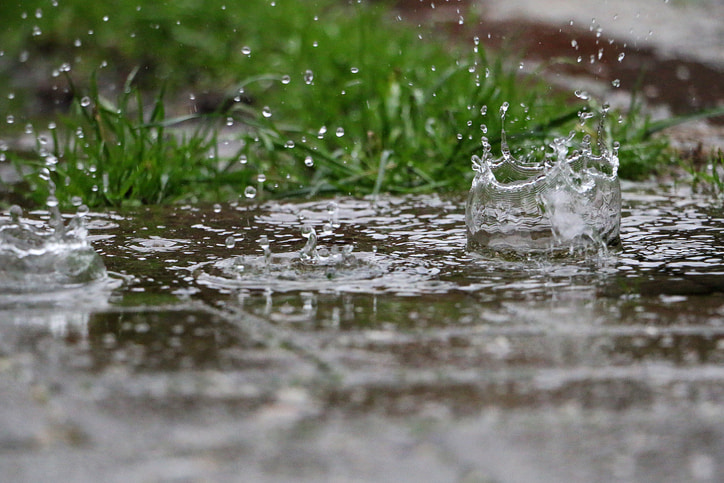
Sump Pump Maintenance Checklist for Spring Flood Prevention
March 6, 2026
It only takes one heavy spring rainstorm to remind you how much you rely on your sump pump. When groundwater rises, and the soil around your foundation becomes saturated, your sump pump is the last line of defense between your basement and costly water damage. But like any mechanical system, it can’t protect your home if it hasn’t been properly maintained.
Small issues, a stuck float switch, clogged discharge line, or failing check valve, often go unnoticed until the moment the system is needed most. That’s why a proactive sump pump maintenance checklist for spring flood prevention is essential. By inspecting, testing, and servicing your system before peak rain season, you can reduce the risk of basement flooding, extend the life of your equipment, and protect your home from unexpected repairs.
Join the team at Extreme Plumbing NY as they walk you through the key steps to ensure your sump pump is ready to perform when the next storm hits.
Why Spring Is the Most Important Time for Sump Pump Maintenance
Spring in New York means melting snow, steady rainfall, and rising groundwater levels. When the soil around your foundation becomes saturated, hydrostatic pressure builds, and that’s when basement leaks and flooding are most likely to occur. A properly functioning sump pump system relieves that pressure by directing water safely away from your home.
If your sump pump hasn’t been inspected since last year, now is the time. Preventative maintenance is far more affordable than emergency water damage restoration.
Spring Sump Pump Maintenance Checklist
Use this practical checklist to help reduce the risk of basement flooding and unexpected system failure.
1. Test the Sump Pump
The simplest step is often the most overlooked.
- Pour a bucket of water into the sump pit
- Watch to see if the float switch rises
- Confirm the pump turns on and removes the water
- Make sure it shuts off properly afterward
If the pump doesn’t activate immediately or struggles to discharge water, it may need repair or replacement before heavy rains arrive.
2. Clean the Sump Pit
Debris buildup is a common cause of sump pump failure.
- Remove dirt, gravel, and sediment from the basin
- Check for small stones that could jam the impeller
- Ensure the inlet screen is clear
Even small obstructions can force the motor to work harder, shortening the lifespan of your sump pump.
3. Inspect the Discharge Line
Water must be able to flow freely away from your home.
- Check the exterior discharge pipe for clogs or blockages
- Make sure the line extends several feet away from the foundation
- Look for cracks or loose connections
- Confirm the pipe is not frozen or collapsed
Improper drainage can cause water to cycle back toward your foundation, increasing the risk of basement flooding.
4. Examine the Check Valve
The check valve prevents discharged water from flowing back into the sump pit.
- Listen for rattling or unusual noises
- Inspect for leaks around fittings
- Ensure it’s installed in the correct direction
A failing check valve can cause your sump pump to run continuously, leading to premature burnout.
5. Test the Float Switch
The float switch is the trigger that tells your sump pump when to turn on.
- Make sure it moves freely
- Confirm it isn’t tangled or obstructed
- Check for sticking or delayed activation
A stuck float switch is one of the most common causes of sump pump failure during storms.
6. Check the Power Source
Spring storms often bring power outages, right when your sump pump is needed most.
- Inspect the power cord for fraying
- Confirm the outlet is functioning
- Test any GFCI reset buttons
- Consider a battery backup system if you don’t already have one
A battery backup sump pump can provide critical protection during heavy rain and electrical outages.
7. Listen for Warning Signs
Sometimes your sump pump tells you it needs help.
Watch for:
- Loud or grinding noises
- Excessive vibration
- Short cycling (turning on and off repeatedly)
- Visible rust or corrosion
These symptoms can indicate motor wear, impeller damage, or internal mechanical issues that should be addressed promptly.
How Often Should a Sump Pump Be Serviced?
Homeowners should perform basic maintenance checks at least once a year, ideally before the spring rain season begins. However, if your basement has a history of flooding, high groundwater levels, or frequent pump cycling, a professional inspection is strongly recommended.
Most sump pumps last between 7–10 years. If yours is approaching that range, proactive replacement may help you avoid emergency plumbing repairs during peak storm season.
Don’t Wait Until You See Water
By the time you notice moisture on the basement floor, the damage may already be underway. Water intrusion can lead to mold growth, damaged drywall, ruined flooring, and costly structural repairs. A simple seasonal sump pump inspection can protect your foundation, your belongings, and your peace of mind.
Spring flood prevention starts with preparation, not panic.
Schedule Professional Sump Pump Service in Nassau & Suffolk County
If you’re unsure about the condition of your sump pump or want a professional inspection before storm season ramps up, the team at Extreme Plumbing NY is here to help. We provide dependable plumbing services in Nassau and Suffolk Counties, including sump pump maintenance and repair, battery backup installation, and full system replacement.
Protect your basement before the next heavy rain hits. Contact Extreme Plumbing NY today to schedule your sump pump inspection and ensure your home is ready for spring.
Recent News
5 Steps to Winterize Your Outdoor Plumbing
September 16, 2026
Is Massapequa’s High Water Table Putting Your Basement at Risk?
June 12, 2026
How Cold Weather Affects Your Plumbing System (And What to Do About It)
December 2, 2025

Do You Need a Backup Generator? Here’s How to Decide
September 8, 2025
Why Your Water Bill Is Higher Than Usual: Common Plumbing Issues That Waste Water
June 16, 2025

How to Prepare Your Home’s Plumbing for Spring on Long Island
March 4, 2025
How to Save on Heating Bills with Efficient Plumbing Upgrades
December 13, 2024