Blog




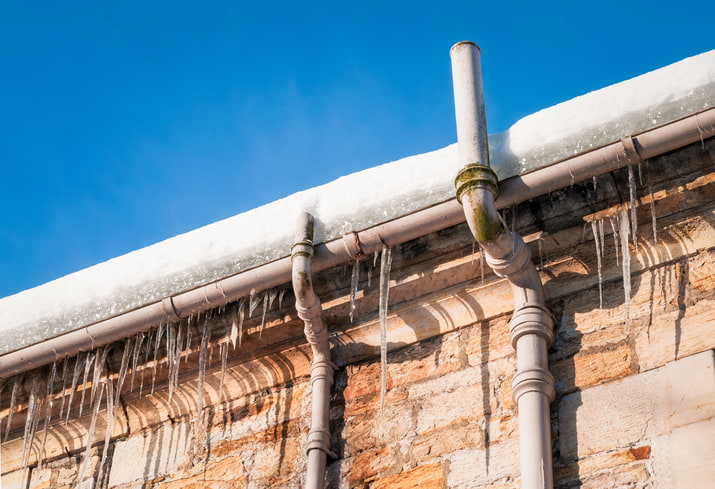
5 Steps to Winterize Your Outdoor Plumbing
September 16, 2026
The first really cold morning of the season has a way of exposing the outdoor plumbing tasks that were easy to put off all summer. A garden hose is still connected to the faucet, an outdoor spigot has not been checked in months, and the water line running to an exterior fixture may still be full of water. Once temperatures drop below freezing, those small oversights can become much bigger problems.
Water expands as it freezes, creating pressure inside pipes that can lead to cracked lines, damaged hose bibs and leaks that may not become obvious until the weather warms up again. For homeowners across Long Island, preparing outdoor plumbing before freezing temperatures arrive is an important part of getting a property ready for winter.
Fortunately, winterizing your outdoor plumbing does not have to be complicated. With a few practical steps, you can disconnect and drain exterior water sources, protect outdoor faucets and reduce the risk of costly plumbing damage during the coldest months.
1. Disconnect and Store Your Garden Hoses
One of the easiest winterization steps is also one of the most commonly overlooked. Before temperatures begin to fall, disconnect every garden hose from your outdoor faucets.
Leaving a hose attached can trap water inside the faucet and connected plumbing. When that water freezes and expands, it can put pressure on the pipe and potentially cause a crack or leak.
After disconnecting your hoses:
- Drain any remaining water from the hose.
- Store hoses indoors or in a protected area.
- Check the faucet for dripping or signs of damage.
- Avoid reconnecting hoses during freezing weather.
Even if you only use your hose occasionally, removing it before the first hard freeze can help protect your outdoor plumbing.
2. Shut Off Exterior Water Supply
If your home has a dedicated shutoff valve for outdoor plumbing, close it before freezing temperatures arrive. This prevents additional water from entering exterior supply lines while they are being prepared for winter.
Once the water supply is shut off, open the outdoor faucet to allow trapped water to drain. If your system includes multiple exterior faucets, make sure each one is addressed.
Homes can have different plumbing configurations, so do not assume that turning off one valve protects every outdoor fixture. If you are unsure which valve controls your exterior water lines, a professional plumber can help identify the correct shutoff.
3. Drain Outdoor Plumbing Lines
Simply turning off the water supply may not remove all the water sitting inside your outdoor plumbing. Draining the lines is an important next step because remaining water can freeze and expand inside the pipe.
Open the exterior faucet after shutting off the supply and allow the line to drain completely. If your plumbing system has drain valves, use them according to the manufacturer’s instructions.
Pay attention to outdoor fixtures such as:
- Hose bibs and spigots
- Outdoor sinks
- Irrigation connections
- Pool-related plumbing
- Water lines serving exterior fixtures
If water does not drain as expected or you suspect a line is holding water, avoid forcing valves or fittings. A plumbing professional can determine whether there is an underlying issue.
4. Protect Exposed Pipes and Faucets
Some outdoor plumbing components are more vulnerable to freezing because they are exposed to cold air. Insulating accessible pipes and installing insulated faucet covers can provide an additional layer of protection.
Look for signs that outdoor plumbing may need extra attention, including:
- Pipes running through unheated areas
- Cracks around exterior faucets
- Loose or damaged faucet covers
- Aging or corroded connections
- Plumbing located near exterior walls
Insulation is not a substitute for properly shutting off and draining outdoor water lines, but it can help reduce exposure to freezing temperatures. On particularly cold nights, protecting vulnerable plumbing can make a meaningful difference.
5. Check for Problems Before Winter Arrives
Winter preparation is also a good opportunity to look for plumbing problems that could become worse during freezing weather. A small leak may seem insignificant in mild weather, but freezing temperatures can turn an existing weakness into a much more serious repair.
Before winter sets in, inspect outdoor plumbing for:
- Dripping or leaking faucets
- Cracked fittings
- Corrosion
- Damaged pipes
- Unusual water stains
- Poorly sealed connections
Addressing these issues early is generally easier than discovering a burst pipe after a freeze. For homeowners in Nassau and Suffolk, taking care of outdoor plumbing maintenance before the coldest weather arrives can help prevent avoidable winter plumbing emergencies.
Get Your Outdoor Plumbing Ready for Winter
A few minutes of preparation can go a long way toward protecting your home’s plumbing when temperatures drop. Disconnecting hoses, shutting off exterior water, draining outdoor lines, protecting exposed components and checking for existing problems can all help reduce the risk of winter damage.
If you’re not sure whether your outdoor plumbing has been properly winterized, Extreme Plumbing NY provides dependable plumbing services throughout Nassau and Suffolk. Our team can help identify vulnerable plumbing, address existing issues and prepare your system for the colder months.
Contact Extreme Plumbing NY today to schedule service and head into winter with greater peace of mind.
Recent News
Is Massapequa’s High Water Table Putting Your Basement at Risk?
June 12, 2026
Sump Pump Maintenance Checklist for Spring Flood Prevention
March 6, 2026
How Cold Weather Affects Your Plumbing System (And What to Do About It)
December 2, 2025

Do You Need a Backup Generator? Here’s How to Decide
September 8, 2025
Why Your Water Bill Is Higher Than Usual: Common Plumbing Issues That Waste Water
June 16, 2025

How to Prepare Your Home’s Plumbing for Spring on Long Island
March 4, 2025
How to Save on Heating Bills with Efficient Plumbing Upgrades
December 13, 2024