Blog




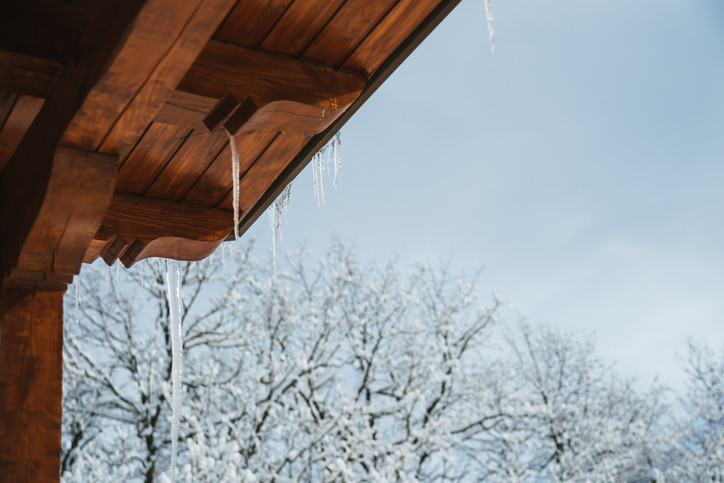
How Cold Weather Affects Your Plumbing System (And What to Do About It)
December 2, 2025
The first truly cold day of the season always seems to reveal a problem you didn’t know you had: a slow drain, a noisy pipe, or worse, no water at all. As temperatures drop, your plumbing system is under more stress than you might realize, and even small issues can turn into major winter emergencies.
Understanding how cold weather affects your pipes is the first step in preventing costly damage and keeping your home running smoothly throughout the season.
Why Winter Is Hard on Your Plumbing System
Cold temperatures change the way water behaves. As water freezes, it expands, putting pressure on pipes and connections. Even sturdy plumbing systems aren’t immune to this winter strain. Homes in New York face especially challenging conditions as temperatures swing between freezing nights and milder days, which creates the perfect environment for plumbing wear and tear.
1. Frozen Pipes: The Biggest Winter Threat
Frozen pipes are one of the most common and dangerous winter plumbing issues.
Why It Happens:
- Water inside pipes freezes and expands.
- Pressure builds up behind blockages.
- Pipes can burst, causing major water damage when they thaw.
Where It Happens Most:
- Outdoor hose bibs
- Basements
- Crawl spaces
- Attics
- Exterior walls
- Uninsulated or poorly insulated areas
What You Can Do:
- Insulate exposed pipes, especially in colder areas of your home.
- Open cabinet doors under sinks to let warm air circulate.
- Keep your home heated, even when you’re away.
- Let faucets drip during extreme cold to keep water moving.
2. Slow Drains and Blockages
Cold weather thickens grease, oils, and soap residue inside your pipes, which can quickly lead to clogs.
Common Causes:
- Cooking oils and fats solidify in cold pipes.
- Soap scum hardens faster in winter.
- Holiday gatherings mean more kitchen and bathroom usage.
How to Prevent It:
- Avoid pouring grease down the drain.
- Run hot water after using sinks and dishwashers.
- Use strainers in bathroom drains to catch hair and debris.
3. Water Heater Overload
Your water heater works harder in winter as the incoming water is colder and the household demand rises.
Signs Your Water Heater Is Struggling:
- Lukewarm showers
- Rumbling or popping noises
- Longer wait times for hot water
- Higher energy bills
Prevention Tips:
- Flush your water heater to remove sediment buildup.
- Insulate your water heater tank and pipes.
- Consider upgrading if your system is over 10 years old.
4. Outdoor Plumbing Damage
Outdoor plumbing components are especially vulnerable to cold weather.
At Risk:
- Hose bibs
- Outdoor faucets
- Irrigation systems
- Sump pumps and discharge lines
How to Protect Them:
- Disconnect garden hoses before the first freeze.
- Use insulated faucet covers.
- Winterize irrigation and sprinkler systems.
- Ensure that sump pump discharge lines are clear and properly insulated.
5. Hidden Leaks Caused by Temperature Changes
Cold weather can cause pipes to contract, creating small cracks or loosening connections. These tiny leaks often go unnoticed until major damage occurs.
Signs to Watch For:
- Unexplained water bill increases
- Damp spots or stains on walls and ceilings
- Reduced water pressure
- Musty odors in basements or crawl spaces
Your Winter Leak Prevention Plan:
- Inspect visible pipes regularly.
- Check around appliances for moisture.
- Monitor your water pressure for sudden changes.
6. Sewer Line Backups
Winter can also affect your sewer system. Ground freeze, tree roots, and blockages from holiday cooking can strain sewer lines.
Why It’s a Problem in Cold Weather:
- Cold soil shifts and compresses sewer pipes.
- Grease buildup from holiday cooking increases clogs.
- Tree roots seek moisture and invade pipelines.
What You Can Do:
- Avoid flushing wipes, even if labeled “flushable.”
- Keep grease out of sinks.
- Schedule a sewer line inspection if you experience recurring backups.
Preparing Your Plumbing for Winter
Prevention is the best protection. By taking steps to insulate pipes, maintain appliances, and reduce cold-weather strain on your plumbing, you can avoid the majority of winter plumbing emergencies.
Simple actions like checking insulation, sealing drafts, winterizing outdoor fixtures, and monitoring water pressure can save you hundreds of dollars in repairs.
Need Help Protecting Your Plumbing Before Winter? Call Extreme Plumbing NY
When cold weather hits, you want a plumbing system that’s ready for anything. At Extreme Plumbing NY, we help homeowners in and around Wantagh prepare for winter with inspections, insulation, repairs, and emergency services designed to keep your home safe throughout the season.
Whether you’re concerned about frozen pipes, struggling drains, or water heater issues, our experts are here to help.
Contact us today to schedule your winter plumbing checkup and protect your home from the cold.
Recent News
Sump Pump Maintenance Checklist for Spring Flood Prevention
March 6, 2026

Do You Need a Backup Generator? Here’s How to Decide
September 8, 2025
Why Your Water Bill Is Higher Than Usual: Common Plumbing Issues That Waste Water
June 16, 2025

How to Prepare Your Home’s Plumbing for Spring on Long Island
March 4, 2025
How to Save on Heating Bills with Efficient Plumbing Upgrades
December 13, 2024
Top 5 Signs Your Home Needs Sewer Jetting Services
September 11, 2024
DIY Plumbing Tips Every Homeowner Should Know for Easy Home Fixes
June 13, 2024